Once the practical setup is behind you, the next stage is learning how everyday life in Korea actually feels. This second part is about that adjustment: language, work, healthcare, deliveries, recycling, digital services, and finding the place that feels right for you.
If you haven’t read Part 1 yet, start with Getting Set Up in South Korea for resident ID, phone setup, maps, banking, housing and transportation. Then come back here when you’re ready for the everyday-life side of settling in.
1. You Don’t Need Perfect Korean—but Learn a Little
If your Korean is limited when you arrive, don’t panic. Plenty of foreigners build a life here while they’re still learning the language.
But even a little Korean goes a very long way. Start with Hangul. Being able to sound out station names, menus, signs, addresses, and product labels makes everyday life noticeably easier—even when you don’t understand every word.
Then pick up phrases you actually use: ordering food, asking for directions, speaking to a taxi driver, visiting a clinic, receiving a delivery, or talking to colleagues. Papago and other translation tools are great backup, but there’s something very satisfying about the first time you handle a small interaction entirely in Korean.
2. Working in Korea Can Be Its Own Cultural Adventure
If you’re moving here for work, adapting to the office can sometimes be more challenging than figuring out buses and bank accounts.
Korean workplaces can place a lot of importance on titles, seniority, hierarchy, communication style, reporting lines, meetings, and team relationships. But there isn’t one single “Korean company culture.” Your experience can vary enormously depending on the company, industry, manager, and team.
Rather than trying to memorize every cultural rule before your first day, pay attention to how people around you communicate. Give yourself time. Workplace culture is something you gradually learn by living it.
3. Korea’s Delivery Culture Might Spoil You
Once your accounts are properly set up, you’ll discover one of Korea’s great everyday conveniences: delivery.
Groceries, restaurant meals, electronics, household supplies, baby products—you can order almost anything. The frustrating part usually comes at the beginning, when you’re still connecting your phone number, resident information, payment method, and address. If an app refuses to cooperate during your first week, don’t assume you’re doing everything wrong.
4. Figure Out Healthcare Before the Day You Actually Need It
This is one of those boring tasks that’s easy to postpone—and one you’ll be very happy you did when you’re sick.
After settling into your neighborhood, spend a few minutes finding the nearest clinic, pharmacy, larger hospital, and emergency facility. Save them on your map. You don’t need to become an expert on the Korean healthcare system immediately. Just knowing where to go when you need help is a good start.
5. Yes, You Really Do Need to Learn the Trash System
At some point, almost every newcomer has the same moment: you’re standing near the recycling area holding a piece of rubbish and wondering, “Where exactly does this go?”
Korea separates general waste, food waste, recyclables, and larger discarded items, and the exact rules can vary depending on where you live. Don’t be embarrassed to ask. After a few weeks, something that initially feels surprisingly complicated becomes just another household routine.
6. Sometimes Your Name Is the Problem—Not You
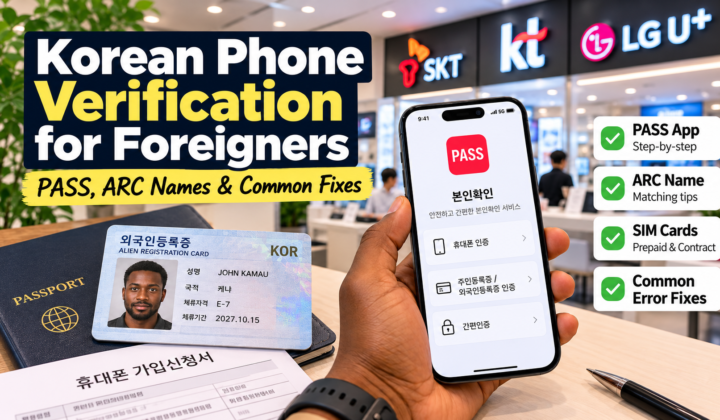
Korea has fantastic digital services, but identity verification can occasionally be unfriendly to foreign names. A website may tell you that your information doesn’t match even though you’re convinced you’ve entered everything correctly.
The problem can be something as small as the order of your names, a space, capitalization, or how your information was originally entered by your phone carrier or bank. Keeping your details consistent across services can prevent a surprising number of headaches.
7. Korea Is Much Bigger Than Seoul
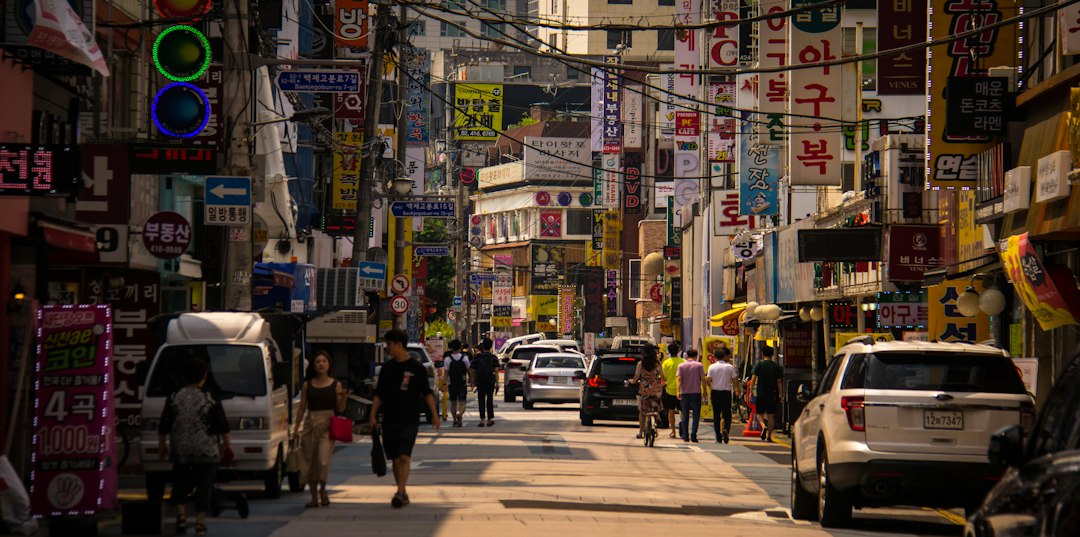
Before moving to Korea, it’s easy to think of Seoul as the center of everything. Seoul is an incredible city, but living in Korea doesn’t automatically mean you need to live there.
I’ve experienced life in different Korean cities, and each place has its own rhythm. Depending on your job and lifestyle, places such as Suwon, Pyeongtaek, Incheon, Daejeon, Busan, Daegu, Cheonan, and many other cities are worth considering.
The best place to live isn’t automatically the most famous one. It’s the place that works for your job, family, budget, commute, and lifestyle.
8. Give Yourself Time—Korea Gets Easier
Your first few weeks can feel like a strange chain of dependencies. It can be exhausting when you’re also adjusting to a new home, language, job, school, or family routine.
But here’s the encouraging part: it gets easier. Once your main pieces are in place, Korea can become an incredibly convenient place to live. You don’t need to solve everything this week. Handle one thing at a time.
Welcome to Life in Korea
Moving countries is a big deal. There will probably be days when Korea feels exciting, days when it feels confusing, and days when you wonder why something that should take five minutes has taken half the afternoon. That’s part of settling in.
Over time, the unfamiliar things become ordinary. That’s what I want SmartKoreaGuide to help with: not just telling you about Korea, but helping you actually live here.