Trash disposal is one of those parts of living in Korea that nobody thinks about until the first evening in a new apartment. Then suddenly you have cardboard, food scraps, plastic packaging and a bag of general rubbish—and no idea which one goes where.
The most important thing to know is that the exact collection setup varies by municipality and building. Treat this as a framework, then confirm the rules at your address.
General waste usually uses designated bags
Korea uses a volume-based waste-fee system in which ordinary household waste is commonly placed in designated local garbage bags. The bags are normally sold at supermarkets or convenience stores in the relevant area.
Do not assume a bag purchased in one district is valid everywhere. When you move, check the local rules again.
Food waste is separate
Food waste has its own disposal system. Depending on the building, you may use designated food-waste bags, a communal container, an RFID machine or another local method.
The difficult part for newcomers is learning what counts as food waste. Items that animals cannot readily consume—such as some hard shells, bones or pits—may be treated differently. Your municipality’s guidance is the authority here.
Recyclables need sorting
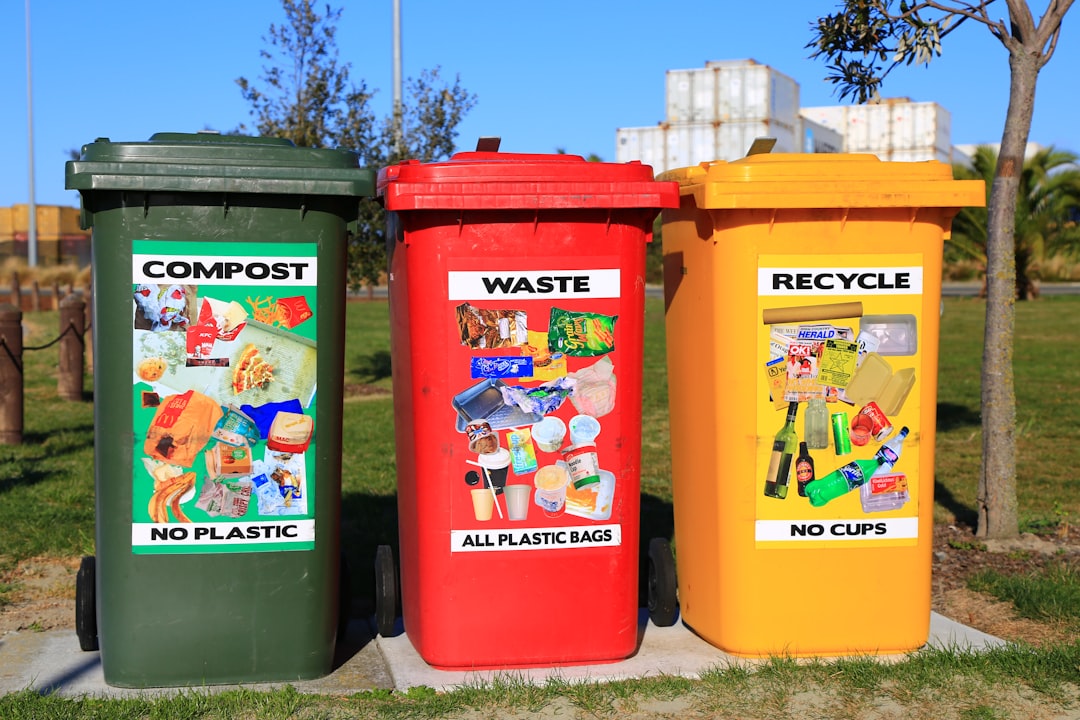
Apartment complexes often have clearly marked collection areas for paper, plastic, cans, glass, vinyl and other recyclables. Smaller buildings may use scheduled collection days.
Empty containers, remove obvious food residue and follow the labels at your collection point. The system looks complicated at first, but after a few weeks it becomes routine.
Large items need a separate process
Furniture, mattresses and other bulky waste should not simply be left beside the regular trash. Local governments have disposal procedures and fees for large items, often with online reporting or a disposal sticker.
Your building manager is often the fastest source
When you first move in, ask one simple question: “How do I dispose of general waste, food waste and recycling here?” A building manager, landlord, real-estate agent or neighbor can explain the local routine faster than trying to infer it from bags outside.
Do not let fear of doing it wrong overwhelm you
Most newcomers make a mistake at some point. Learn the system, correct it and move on. The goal is not to become a recycling expert on your first day in Korea.
If you are still setting up your home, also read the guide to Korean apartment management fees and Wolse vs Jeonse.