One of the first things you discover after moving to Korea is that your passport gets you into the country, but your Korean residence identity is what starts making everyday life work.
The foreign resident card is connected to many of the systems long-term residents use: banking, mobile service, identity verification and other administrative tasks. The exact registration process depends on your status of stay, so use this as a practical orientation rather than a substitute for current immigration instructions.
Why the card matters so much
Before your Korean identification is fully set up, ordinary tasks can feel oddly difficult. You may be able to use temporary solutions, but many local services are designed around verified residents.
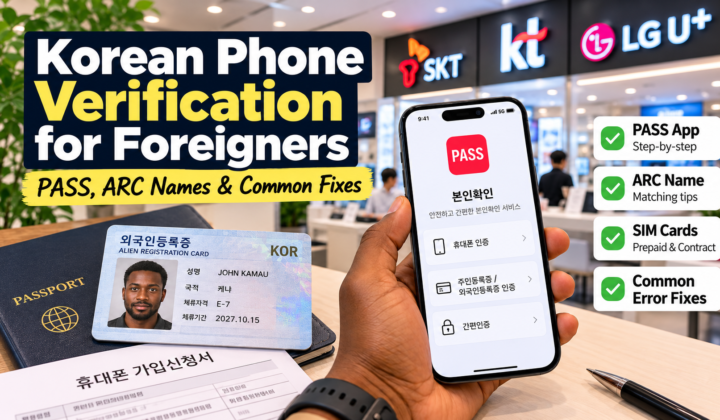
Once your registration is complete, keep your English name consistent across your residence record, phone account and bank. Name order, spacing and spelling can matter when automated systems try to match your identity.
What to prepare
Check the current Korea Immigration Service or Hi Korea instructions for your specific status before your appointment. Requirements can differ, but it is sensible to organize your passport, residence-related application documents, proof of address and any employment, school or other supporting documents relevant to your stay.
Do not leave document preparation until the morning of an appointment. Korea is efficient when your paperwork is correct; missing one required item can turn a short administrative visit into a second trip.
After you receive the card
Check the printed information carefully. Then use the same name format when setting up your Korean phone and bank services. Keep a secure digital copy for your records, but avoid casually sharing images of the card because it contains sensitive personal information.
When your address or status changes
Residence obligations do not end when the card arrives. Address changes, extensions and changes to your status can have reporting requirements and deadlines. Always confirm the current procedure with immigration for your particular situation.
The practical order I recommend
- Confirm the requirements for your visa or status.
- Prepare the documents before the appointment.
- Complete the required residence registration.
- Check your name and other details carefully.
- Use the same identity format for your phone and bank.
- Keep track of future reporting and extension dates.
If you are still organizing your first weeks, start with my moving-to-Korea checklist and guide to getting a Korean phone number.
One final tip
Do not worry if Korean administration feels confusing at first. Most of the frustration comes from not yet knowing which document belongs to which system. Once your residence identity, phone and banking are connected, daily life becomes noticeably smoother.
Related: Once your Residence Card is issued, make sure your mobile account uses the same name format. See how to get a Korean phone number as a foreigner and how to fix Korean phone verification problems.